UV LED Curing Provider
Flexographic Printing UV LED Curing
UV LED Curing for Flexo Printing: Transform Your Bobst Press with JP TECH’s Cold Cure Solution
The flexographic printing industry is undergoing a game-changing shift—traditional mercury vapor curing systems are quickly being replaced by UV LED technology, and for good reason. As environmental regulations tighten (think the Minamata Convention’s mercury phase-out) and energy costs soar, converters using premium presses like Bobst Master M5 and M6 are seeking curing solutions that match their machines’ precision, speed, and digital capabilities. JP TECH, a leader in China’s UV LED curing system market, has engineered a tailored solution that integrates seamlessly with Bobst flexo presses, delivering cold cure efficiency, unmatched consistency, and tangible cost savings.
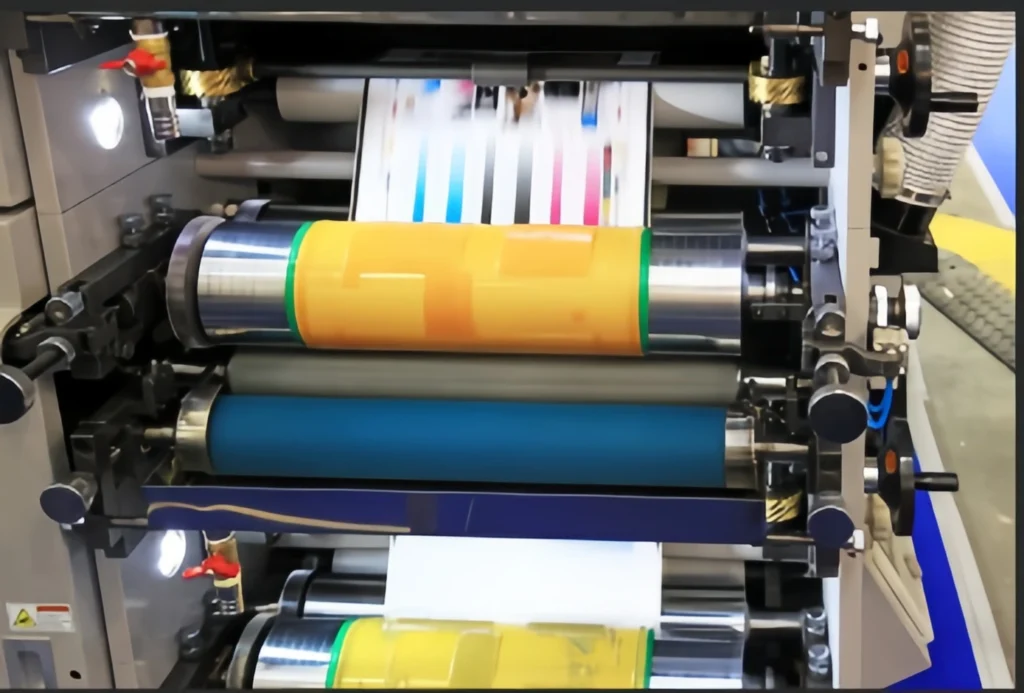
Why Flexo Printers Are Ditching Mercury Lamps for UV LED
For decades, flexo printing relied on medium-pressure mercury lamps to cure inks and coatings. These systems emitted a broad spectrum of UV light that worked with legacy inks, but they came with major downsides:
High heat output that warps heat-sensitive substrates like PET, BOPP, and shrink sleeves
Toxic ozone emissions requiring expensive extraction systems
Short lifespans (1,000–2,500 hours) and frequent maintenance (bulb and reflector replacements)
Slow warm-up/cool-down times (5+ minutes) that waste production hours
Sky-high energy consumption that hits bottom lines hard
UV LED curing systems solve these pain points entirely. By focusing energy on targeted wavelengths (385nm or 395nm, perfectly matched to modern photo-initiators), JP TECH’s UV LED technology delivers “cold cure” performance—low heat, instant on/off functionality, and zero ozone. For Bobst press owners, this isn’t just an upgrade—it’s a way to unlock their machine’s full potential.
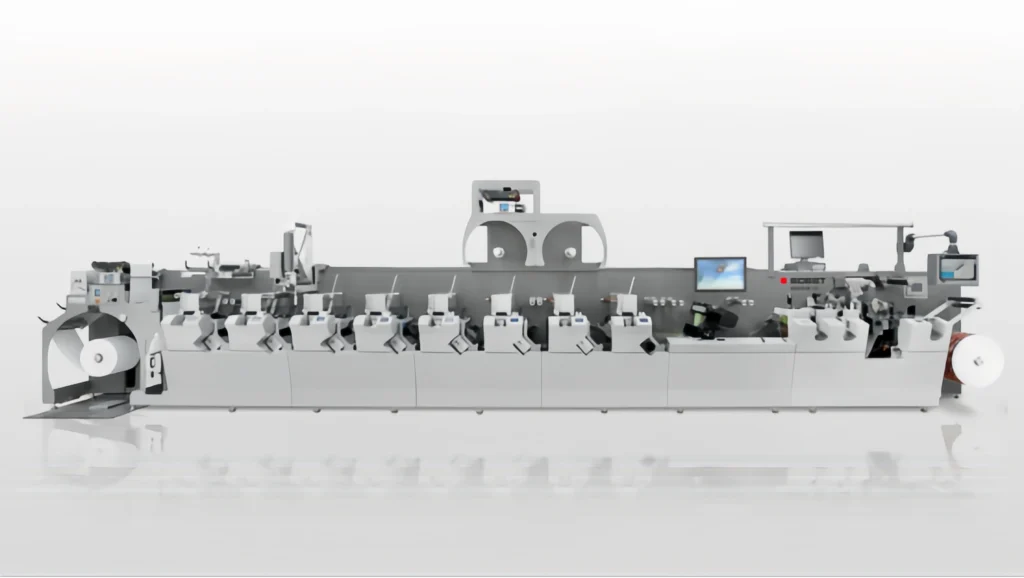
Mercury Lamp vs. UV LED Curing: Key Differences
Feature | Mercury Vapor Lamp | JP TECH UV LED Curing System |
Spectral Output | Broad spectrum (200–450 nm) | Narrow band (385/395 nm, customizable) |
Operational Lifespan | 1,000–2,500 hours | 20,000+ hours |
Warm-up/Cool-down | 5+ minutes | Instant on/off |
Heat Transfer | High (high IR content) | Low (cold cure) |
Ozone Production | Yes (requires extraction) | No |
Energy Consumption | High (7 kW average per unit) | Low (2–3 kW average per unit) |
Maintenance Needs | Frequent (bulbs, reflectors) | Minimal (solid-state design) |
JP TECH’s UV LED: Built for Bobst Master M5 & M6’s Digital Excellence
Bobst’s Master series (M5 and M6) are designed for full digitalization, with features like DigiFlexo automation and oneECG extended color gamut that demand consistent, reliable curing. JP TECH’s HTJP-II series is engineered to complement these innovations, acting as a synchronized component of the press rather than a standalone add-on.
HTJP-II Series Technical Specifications (Bobst-Tailored)
Specification | Model: HTJP-II-SN43525-BH | Model: HTJP-II-SN35025-BL |
Emitting Window | 435 × 25 mm | 350 × 25 mm |
Optical Power Density | 30 W/cm | 25 W/cm |
Wavelength | 385/395 nm (customizable) | 385/395 nm |
Cooling Method | High-efficiency water cooling | Water cooling |
Print Speed Support | Up to 200+ m/min | Up to 180 m/min |
Control Interface | PLC with touch screen HMI | PLC |
Synchronization | 0-10V Analog / Encoder | 0-10V Analog / Encoder |
Operational Modes | Auto / Manual / Stand-alone | Auto / Manual |
Key Integration Features for Bobst Presses
Dynamic Speed Tracking: As your Bobst press ramps up to 200+ m/min (or 250 m/min for the M6), the UV LED system automatically adjusts power via 0-10V analog or encoder control. This ensures consistent UV dose—no under-curing at high speeds or over-heating at low speeds.
Seamless Digital Sync: The system’s PLC connects directly to Bobst’s Prinect control center and DigiFlexo automation. Unlike mercury lamps (which lose intensity over time), JP TECH’s UV LED maintains stable output for 20,000+ hours, letting you “set and forget” registration and pressure settings.
oneECG Color Fidelity: Bobst’s oneECG technology uses seven fixed colors to cover 90% of the Pantone gamut. UV LED’s cold cure prevents substrate yellowing and ink viscosity shifts, preserving the precise color matching oneECG is known for.
Anti-Condensation Protection: In humid pressrooms, water-cooled systems risk condensation on lamp windows. JP TECH’s independent solenoid valve control ensures “lamp on = water on” and “lamp off = water off,” avoiding dew point issues that damage performance.
Real Results: Bobst Master M5x Retrofit Case Study
A high-volume label printer in China recently upgraded their Bobst Master M5x with JP TECH’s custom UV LED curing system—here’s what they experienced:
Performance Category | Pre-Retrofit (Mercury Lamps) | Post-Retrofit (JP UV LED) | Improvement |
Energy Consumption | 100% (Baseline) | 28% of baseline | 72% reduction |
Press Speed (Thin Films) | 110 m/min | 190 m/min | 72.7% increase |
Warm-up Time | 15 Minutes | Instant | 100% reduction |
Annual Maintenance Cost | $15,000 | $1,000 | 93.3% reduction |
Thermal Substrate Waste | 3.50% | 0.30% | 91.4% reduction |
Qualitatively, the printer reported sharper dot definition and more vibrant colors—thanks to consistent curing and no heat-induced substrate expansion. For short-run jobs, they even eliminated night shifts, as mercury lamp warm-up waits were no longer eating into production time.
Curing the “Tough Stuff”: Metallics, Opaque Whites, and Specialty Inks
One common concern with UV LED is curing specialty inks like metallics or opaque whites—materials that traditional mercury lamps handled with their broad spectrum. JP TECH’s solution addresses this with high peak irradiance (30 W/cm) and 395nm UVA wavelengths:
Metallic Inks: The intense, targeted UV light penetrates reflective aluminum flakes to cure ink beneath the surface, ensuring strong adhesion and rub-resistance.
Opaque Whites: High pigment loads (like titanium dioxide) don’t stand a chance—peak irradiance overcomes UV barriers for full, even curing at high speeds.
Cold Foil & Lamination: Longer UVA wavelengths pass through films/foils to cure adhesives without damaging the laminate, eliminating heat-related bond failures.
Sustainability & Cost Savings: The Dual Win
For modern converters, sustainability isn’t just a buzzword—it’s a competitive advantage. Brands like Nestlé and Unilever now require “mercury-free” and “low-carbon” packaging, and JP TECH’s UV LED system helps you meet these demands:
Zero VOCs: UV LED inks contain no volatile organic compounds, avoiding expensive waste treatment.
Reduced carbon footprint: Upgrading one Bobst press cuts annual CO2 emissions by up to 100 tons.
Long-term TCO: While UV LED has a higher initial investment, ROI is typically achieved in 12–24 months through energy savings, reduced waste, and lower maintenance.
Ready to Upgrade Your Bobst Flexo Press?
JP TECH’s UV LED curing system is more than a replacement for mercury lamps—it’s a way to modernize your flexo operation, unlock new substrates, and win high-margin contracts. Whether you’re running a Bobst Master M5, M6, or another narrow/mid-web flexo press, our custom-tailored solutions fit your web width, speed, and ink requirements.
For a free retrofit assessment and quote:
WhatsApp: +86 155 2173 6375 📩
Email: info@jpuvled.com
Website: www.jpuvled.com