UV LED Curing Provider
Wood Panel Coating UV LED Curing
The Comprehensive Guide to JP UV LED Curing Systems in the Wood Coating Industry
Wood finishing has changed a lot in recent years. For a long time, factories used heat or air to dry paint and coatings on wood. These old ways take a lot of time and space. Now, UV LED technology is the new standard. This technology uses ultraviolet light from light-emitting diodes to harden coatings instantly. JP UV LED curing systems
are at the center of this change. These systems offer high power and low heat. This combination is perfect for wood products like floors, furniture, and cabinets.
What is UV Curing for Wood
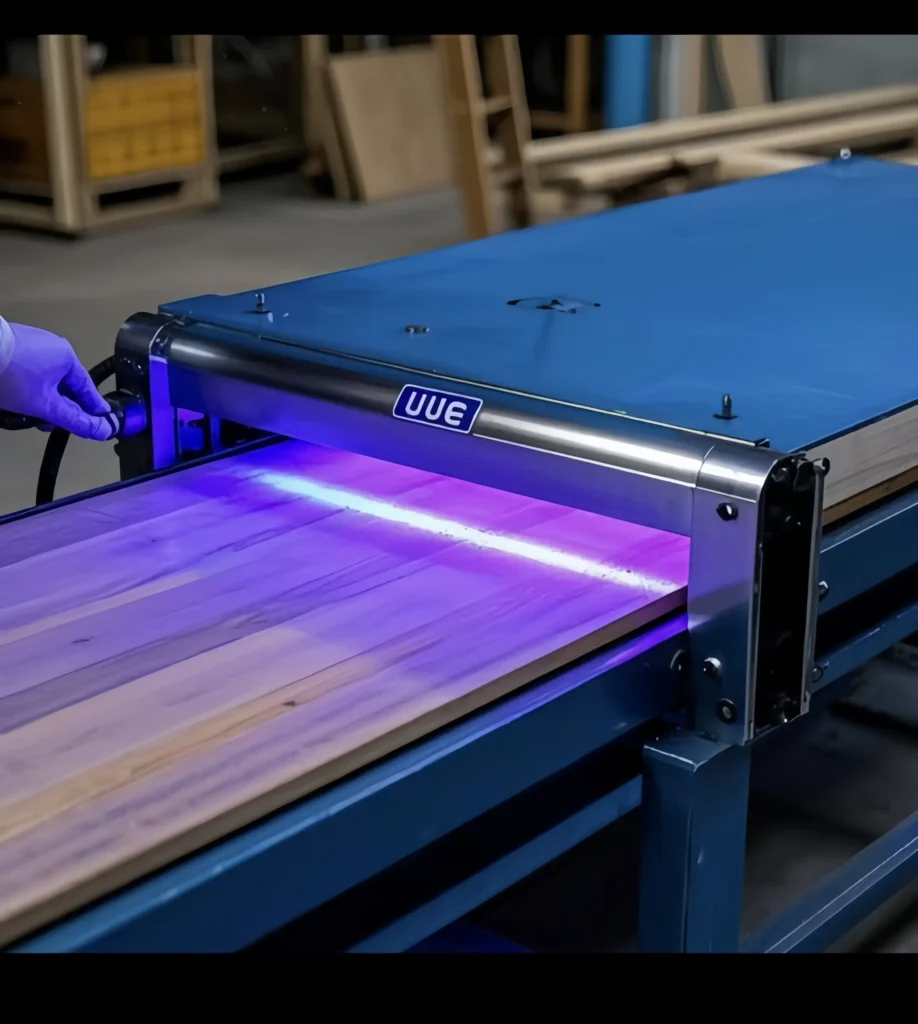
UV curing is a chemical process. It is not the same as drying. When we dry something, water or solvent leaves the coating. When we cure something with UV light, the coating stays on the wood but turns into a solid. This happens because of a photochemical reaction. The coatings used in this process have special chemicals called photoinitiators. When UV light hits these chemicals, they start a chain reaction. This reaction links small molecules together to form a tough plastic film.
This process is very fast. Most wood coatings cure in 3 to 10 seconds. Because it is so fast, factories can finish more products in one day. The finish is also very hard and resists scratches better than traditional paint. This is why UV curing is now used for high-traffic items like wood floors and kitchen tables.
The Parts of a UV Coating
To understand how JP UV LED systems work, we must look at the coating itself. These coatings are often called “100% solids.” This means nothing evaporates into the air. This is good for the environment because there are no harmful fumes or VOCs.
Coating Part | What it Does | Why it Matters |
Photoinitiators | They catch the UV light energy. | They start the curing reaction. |
Oligomers | They form the main structure of the film. | They provide strength and chemical resistance. |
Monomers | They make the liquid thin enough to spray or roll. | They help the coating stick to the wood. |
Additives | They change the look or feel. | They control the shine (gloss) or slip resistance. |
When the JP UV LED lamp shines on these parts, they lock together. This creates a 3D network of polymers. The result is a surface that can handle water, chemicals, and heavy use.
The Technology of JP UV LED Curing Systems
JP UV LED systems are different from old mercury lamps. Mercury lamps use a gas bulb that gets very hot. LED systems use semiconductors to make light. This makes the JP system much more efficient. The light is concentrated in a narrow range of wavelengths, usually between 365nm and 405nm.
Power and Intensity Specs
JP systems are built for heavy industrial work. For example, the Total-Cure 2400 model is very powerful. It uses 2400 watts of power. It has an intensity of over 1250 mW/cm². This high intensity ensures that the light reaches all the way through the coating. If the light is too weak, the bottom of the coating stays soft. This leads to peeling and failure.
The intensity of the light changes based on the distance from the wood.
Distance from Light | Intensity Level | Application Type |
1 Inch | 1250 mW/cm² | Fast production lines. |
3 Inches | 954 mW/cm² | Parts with deep shapes. |
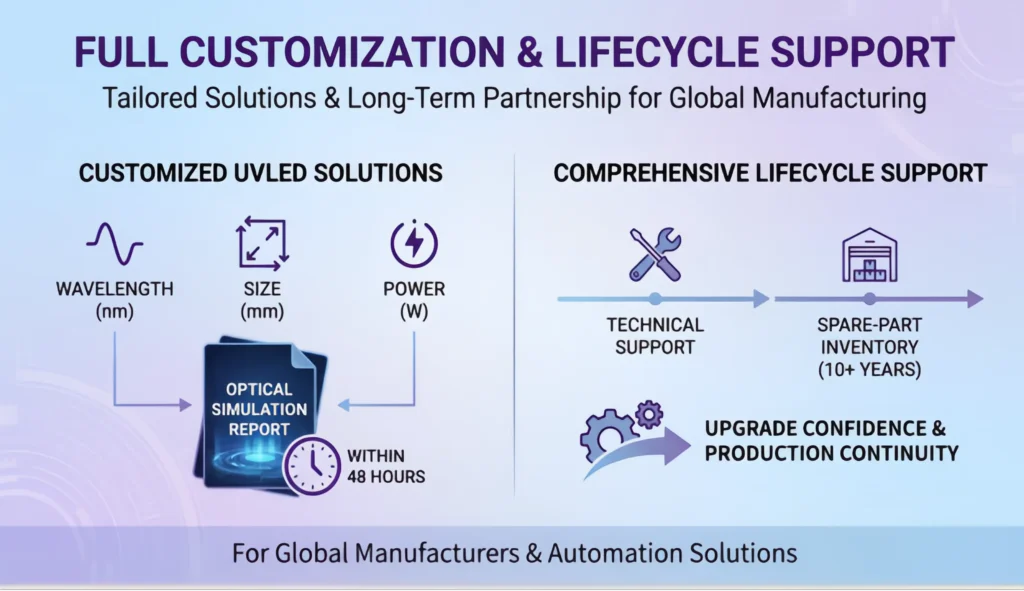
Industrial JP systems can be customized. Factories can choose the width of the lamp to match their conveyor belts. Some systems are 200mm wide, while others can cover boards up to 4 meters wide.
Cooling and Heat Management
One of the best things about JP UV LED systems is that they stay cool. Traditional mercury lamps run at temperatures between 900°C and 1200°C. This heat can burn wood or make it warp. JP LED systems use advanced cooling to stay between 40°C and 50°C.
There are two ways JP systems stay cool. Small or handheld units often use forced air cooling with fans. Large factory systems use water cooling. In a water-cooled system, a chiller pumps cold water through the lamp head. This removes heat from the LEDs. This helps the lamps last longer. It also keeps the wood surface cool. This is very important for wood that has a lot of resin or oil.
Why the Wood Industry is Switching to UV LED
There are many problems with old mercury lamps. These lamps take a long time to warm up. They also contain toxic mercury. If a bulb breaks, it is a safety hazard. JP UV LED systems fix these issues. They turn on and off instantly. They do not have any mercury or ozone.
Protecting Heat-Sensitive Wood
Wood is a natural material. It reacts to heat. If you use hot mercury lamps on pine or resinous woods, the natural oils come to the surface. This is called “bleeding.” It causes discoloration. It also makes the coating fail because the oil stops the paint from sticking.
JP UV LED systems are “cold” curing systems. They do not emit infrared energy. Infrared energy is what causes heat. Because the LEDs only emit UV light, the wood stays cool. This means factories can finish heat-sensitive materials like thin veneers or glued plywood without any damage.
Energy Efficiency and Cost Savings
Saving money is a big goal for every factory. JP UV LED systems use 50% to 90% less energy than mercury systems. There are three reasons for this. First, LEDs turn electricity into light more efficiently. Second, LEDs can turn off when no wood is on the line. Mercury lamps must stay on all day because they take 5 to 10 minutes to warm up. Third, LED systems do not need big fans to suck out ozone gas and heat.
Cost Factor | Mercury Lamps | JP UV LED Systems |
Power Consumption | Very High | Low (50-75% less) |
Bulb Lifespan | 1,500 – 2,000 Hours | 20,000 – 30,000+ Hours |
Maintenance Time | High (bulbs change often) | Very Low (no bulbs to change) |
Waste/Scrap Rate | Higher (due to heat damage) | Lower (cold curing) |
Even though an LED system costs more to buy at first, it pays for itself quickly. Most factories see a return on their investment in less than two years because of the energy savings and lower maintenance.
Applications of JP UV LED Systems in Woodworking
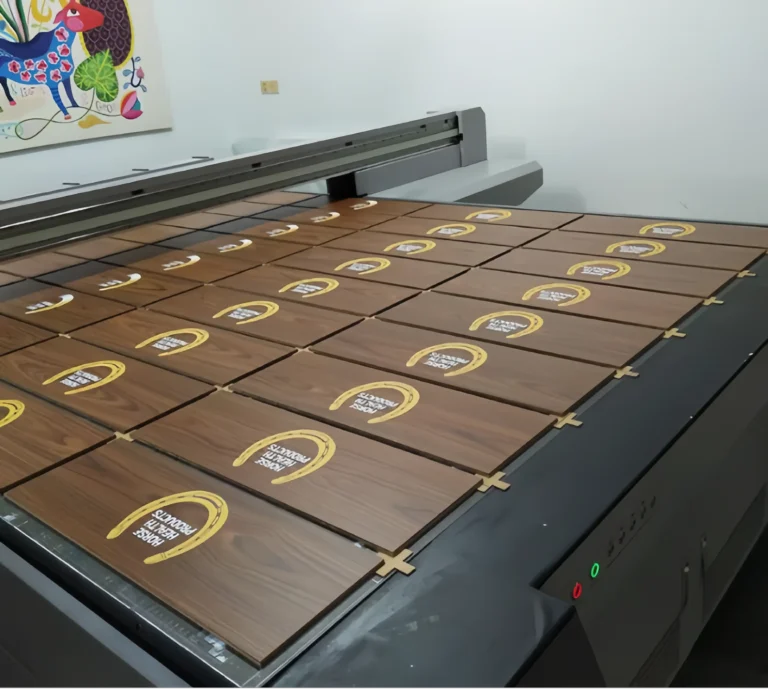
UV curing is now used in many parts of the wood sector. From big factories to small repair shops, the technology is everywhere.
Why the Wood Industry is Switching to UV LED
There are many problems with old mercury lamps. These lamps take a long time to warm up. They also contain toxic mercury. If a bulb breaks, it is a safety hazard. JP UV LED systems fix these issues. They turn on and off instantly. They do not have any mercury or ozone.
Protecting Heat-Sensitive Wood
Wood is a natural material. It reacts to heat. If you use hot mercury lamps on pine or resinous woods, the natural oils come to the surface. This is called “bleeding.” It causes discoloration. It also makes the coating fail because the oil stops the paint from sticking.
JP UV LED systems are “cold” curing systems. They do not emit infrared energy. Infrared energy is what causes heat. Because the LEDs only emit UV light, the wood stays cool. This means factories can finish heat-sensitive materials like thin veneers or glued plywood without any damage.
Energy Efficiency and Cost Savings
Saving money is a big goal for every factory. JP UV LED systems use 50% to 90% less energy than mercury systems. There are three reasons for this. First, LEDs turn electricity into light more efficiently. Second, LEDs can turn off when no wood is on the line. Mercury lamps must stay on all day because they take 5 to 10 minutes to warm up. Third, LED systems do not need big fans to suck out ozone gas and heat.
Cost Factor | Mercury Lamps | JP UV LED Systems |
Power Consumption | Very High | Low (50-75% less) |
Bulb Lifespan | 1,500 – 2,000 Hours | 20,000 – 30,000+ Hours |
Maintenance Time | High (bulbs change often) | Very Low (no bulbs to change) |
Waste/Scrap Rate | Higher (due to heat damage) | Lower (cold curing) |
Even though an LED system costs more to buy at first, it pays for itself quickly. Most factories see a return on their investment in less than two years because of the energy savings and lower maintenance.
Applications of JP UV LED Systems in Woodworking
UV curing is now used in many parts of the wood sector. From big factories to small repair shops, the technology is everywhere.
Handheld and Portable Models
The Total-Cure PowerShot is a popular handheld unit. It is light, weighing only 5 pounds. This makes it easy for workers to use all day. It has a 6-inch curing width. This is perfect for small jobs or fixing mistakes on a production line.
- Ergonomics: The handle is designed to be comfortable.
- Standby Mode: When the worker puts the tool in its nest, it goes into standby. This saves power and makes the light last longer.11
- Safety: It comes with a PPE kit. This includes gloves, a shop coat, and a UV face shield.
Industrial Conveyor Systems
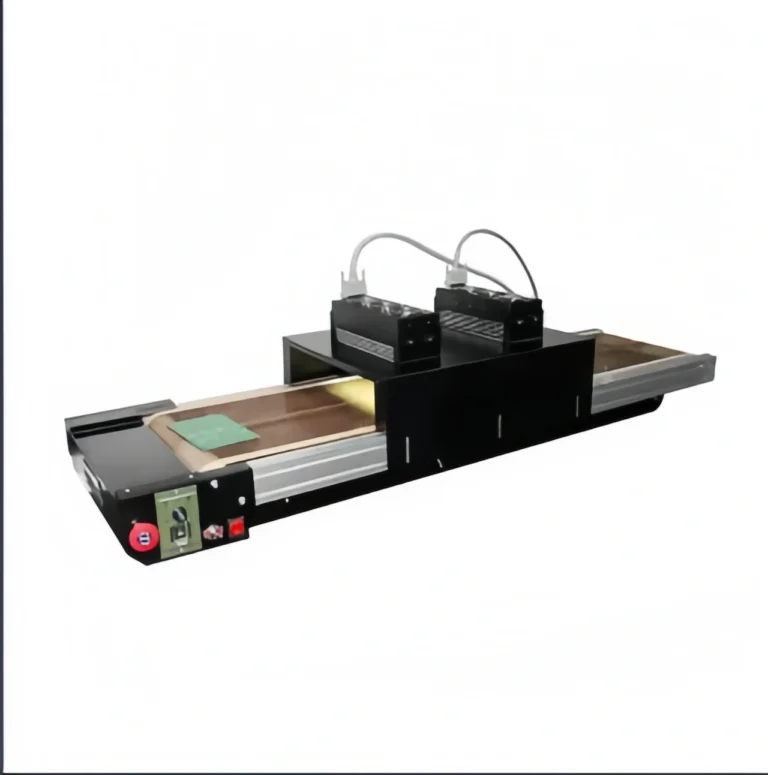
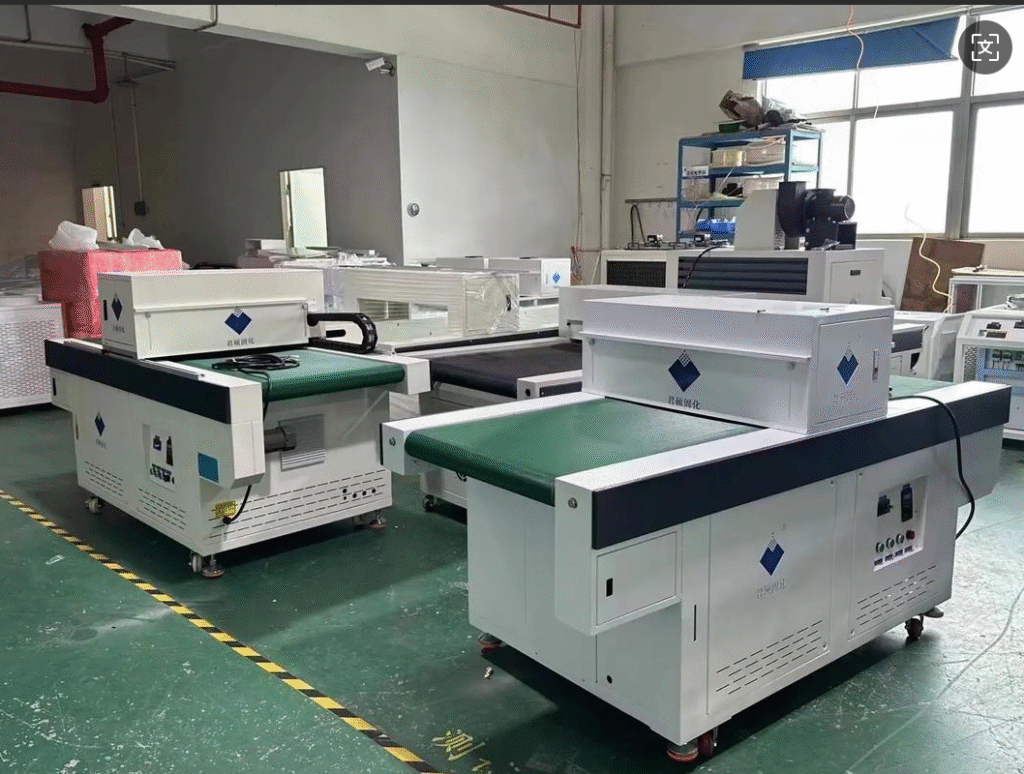
For large factories, JP offers bench-top and full-size conveyor systems. These systems can be customized for different speeds and widths.
Machine Spec | Value/Option |
Conveyor Width | 200mm to 550mm (Customizable) |
Belt Speed | 0.3 to 3.0 meters per minute |
LED Wavelengths | 365nm, 385nm, 395nm, 405nm |
Cooling Type | Air or Water Chiller |
Intensity Range | 100 to 2500 mW/cm² |
These systems use a PLC (Programmable Logic Controller). This allows the factory to link the UV lamp to the rest of the production line. If the conveyor belt stops, the light turns off automatically. This prevents the wood from getting too much light.
How to Integrate UV LED into Your Factory
Switching to JP UV LED is a big step. Most factories find that the process is simple if they follow the right steps.
Retrofitting Existing Lines
You do not always need to buy a brand new machine. Many factories take their old mercury lamp systems and replace the lamp heads with JP UV LED units.6 This is called retrofitting. It is much cheaper than buying a whole new line. Because LED units are small, they fit easily into the space where the old lamps used to be.
Choosing the Right Coating
Not every UV coating works with every LED light. Most LED systems use a single wavelength, like 395nm. Older mercury lamps produce many different wavelengths at once. So, you must make sure your coating has the right photoinitiators for the JP system.
Coating manufacturers now make many products specifically for LED. These include:
- UV Primers: To help paint stick to the wood.19
- UV Fillers: To make the surface smooth.12
- UV Topcoats: To provide the final protection.19
Setting the Right Speed
The speed of your line depends on how much UV energy (dose) the coating needs. The formula for this is simple. Dose equals intensity times time. If your line is very fast, you need more intensity. If your line is slow, you can use less power. JP systems allow you to adjust the intensity to match your specific speed.
Environmental and Regulatory Benefits
Using JP UV LED systems helps companies meet new environmental rules. Many countries are passing laws to protect the planet and workers.
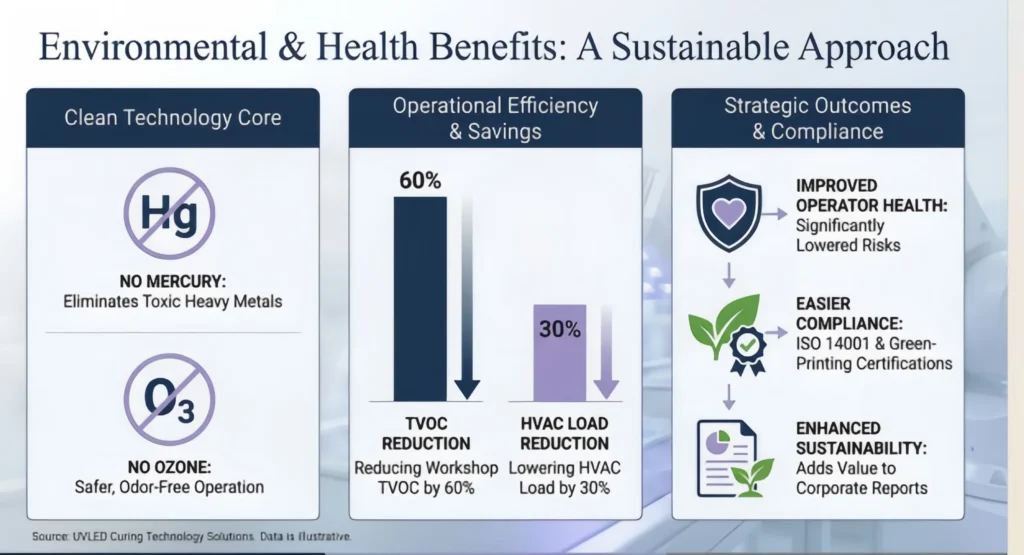
Mercury-Free Operation
Mercury is a dangerous heavy metal. Traditional UV lamps contain mercury. Getting rid of old mercury bulbs is expensive and involves a lot of paperwork. In some places, mercury lamps might be banned soon. JP UV LED systems have no mercury. This makes them safe and easy to handle.
No Ozone Emissions
Mercury lamps produce ozone gas. Ozone is harmful to breathe. Factories must use large pipes and fans to suck the ozone out of the building. This is noisy and expensive. JP UV LED systems do not produce any ozone. This means the air in the factory is cleaner. It also means the factory does not need to spend money on expensive venting systems.
VOC Reduction
Volatile Organic Compounds (VOCs) are chemicals that turn into gas and cause air pollution. Many wood coatings in the past had a lot of VOCs. UV coatings are different. They are usually 100% solids. This means they have almost zero VOCs. Using JP UV LED systems with these coatings helps factories stay within the legal limits for pollution.
Maintenance and Safety Procedures
To keep a JP UV LED system working well, you must take care of it. Maintenance for LED is much easier than for mercury lamps, but it is still important.
Cleaning the Lamp Head
Dust is a big problem in wood factories. If sawdust gets on the LED window, the light cannot get through. This will cause the coating to stay soft.3 Workers should wipe the window clean every day. This only takes a minute but makes a big difference in the finish quality.
Checking the Cooling System
If you have a water-cooled system, you must check the chiller. The water needs to stay clean so it can move freely. If the water gets dirty, the LEDs might get too hot and break. Most JP systems have an alarm that sounds if the water stops moving or gets too warm.
Safety for Workers
UV light is very strong. It can hurt your eyes and skin just like the sun. Workers must always follow safety rules.
- Wear PPE: Use the UV face shield and gloves provided by JP Tech.
- Use Shielding: The curing machine should have covers to keep the UV light inside the machine.
- Training: Only workers who have been trained should use the UV equipment.
The Business Value of JP UV LED Systems
When you look at the big picture, JP UV LED systems offer a lot of value. They make the factory faster, safer, and cheaper to run.
Better Finish Quality
The quality of the finish is much higher with UV curing. The surface is harder and resists scratches and chemicals better than any other finish.4 This means customers will be happier with the product. It also means fewer products will be returned because of damage.
Faster Production
In the old days, wood had to sit in a room for hours or days to dry. This slowed down the whole factory. With JP UV LED, the finish is hard in seconds. The boards can go straight into a box or onto a truck.5 This allows factories to ship more products every week.
Lower Operating Costs
Between the energy savings and the low maintenance, JP systems save a lot of money every month. You do not need to buy new bulbs every 1,000 hours. You do not need to pay for a big electricity bill. And you do not need to pay for ozone venting.
Business Factor | Traditional Drying | JP UV LED Curing |
Speed | Slow (hours/days) | Fast (seconds) |
Finish Hardness | Average | Excellent (3H+) |
Scrap Rate | High | Low |
Space Used | Large (ovens/racks) | Small |
Eco-Friendly | Low (VOCs/Ozone) | High (Zero VOCs/Ozone) |
Strategic Planning for Your Wood Finishing Line
Before you buy a system, you should think about your goals. Different factories have different needs.
High-Volume Flooring Lines
If you make thousands of floor boards every day, you need a powerful, water-cooled system. You should look for lamps with high intensity that can cover wide boards. The JP Total-Cure series is built for this kind of work.
Small Custom Shops
If you make custom furniture, a handheld JP unit or a small bench-top conveyor might be best. These are more affordable and flexible. They allow you to cure different shapes and sizes of wood.
Testing and Samples
Before you commit to a full system, many suppliers offer a testing program. You can send your wood and your coating to a lab. They will test it with a JP UV LED system to find the best settings for your factory.10 This ensures that everything works perfectly before you spend a lot of money.
Trends in the UV Wood Coating Market
The market is moving towards even cleaner and smarter technology.
Bio-based and Sustainable Coatings
Researchers are finding ways to make UV coatings from plants. These new coatings work very well with LED lights.19 This makes the wood industry even greener. Many customers today want to buy eco-friendly products, so this is a great selling point for furniture and flooring companies.
Automation and Smart Factories
New JP systems can talk to other machines in the factory. Using sensors and the Internet of Things (IoT), the UV system can adjust itself. If the wood moving on the line changes, the light can change its intensity automatically. This prevents mistakes and saves even more energy.
Matte and Textured Finishes
Matte finishes are very popular right now. In the past, it was hard to get a perfect matte look with UV light. Now, with new LED technology and excimer lamps, factories can create beautiful matte and textured surfaces that feel like natural wood.
Summary and Conclusions
The wood coating industry is changing for the better. The move from old heat drying and mercury lamps to JP UV LED curing is a big improvement. This technology is faster, safer, and cheaper. It protects the wood from heat damage and protects the environment from toxic chemicals.
JP Tech provides high-quality systems that fit every need. Whether you have a giant flooring factory or a small custom furniture shop, there is a JP UV LED solution for you. The high intensity and smart cooling of these systems ensure a perfect finish every time.
By choosing UV LED, you are investing in the future of your business. You will save money on energy and maintenance. You will also produce better products that your customers will love. As environmental rules get stricter, having a clean, mercury-free factory will be a huge advantage. Now is the best time to switch to JP UV LED curing technology. The benefits are clear, and the technology is ready for you today.
Strategic Action Plan
- Audit your current line: Check your electricity bills and maintenance costs for your old drying ovens or mercury lamps.
- Consult with experts: Talk to JP Tech application experts to find the right lamp for your wood type and coating.11
- Test with samples: Run a test with your specific coatings to find the best intensity and speed.10
- Plan for safety: Ensure your workers have the right PPE and training to work with UV light.5
- Install and Optimize: Set up your JP system and use the instant on/off feature to maximize your energy savings.14
The transition to UV LED technology is more than just a machine upgrade. it is a way to make your business more competitive and sustainable in a changing world. With JP UV LED systems, the future of wood finishing is bright and efficient.